If you are trying to choose between Ashbury and nearby south Naperville neighborhoods, you are not alone. On paper, Ashbury, Ashwood Park, and White Eagle can all look appealing, but the day-to-day feel is not the same. When you understand how they differ in housing age, size, amenities, and access, it gets much easier to narrow your search. Let’s dive in.
Ashbury at a glance
Ashbury is often the baseline comparison for this part of south Naperville. It is a large, established master-planned community with more than 1,100 homes, which gives it a mature neighborhood identity and a broader resale inventory than some nearby options.
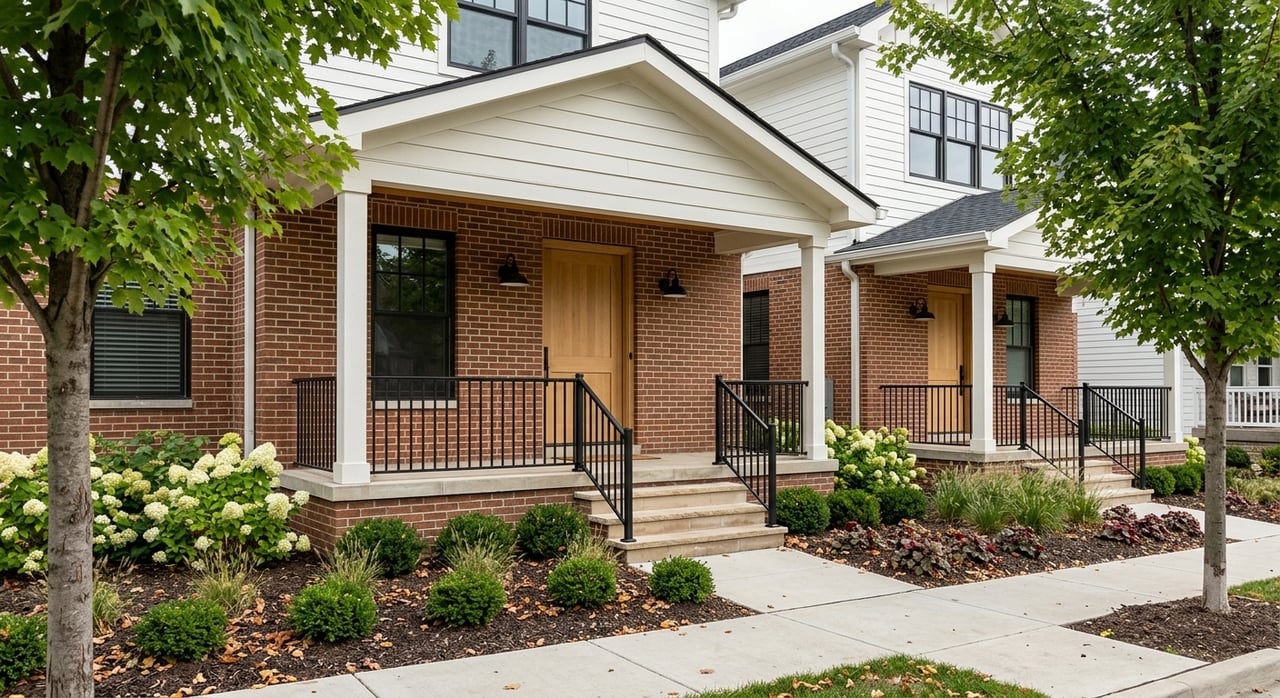
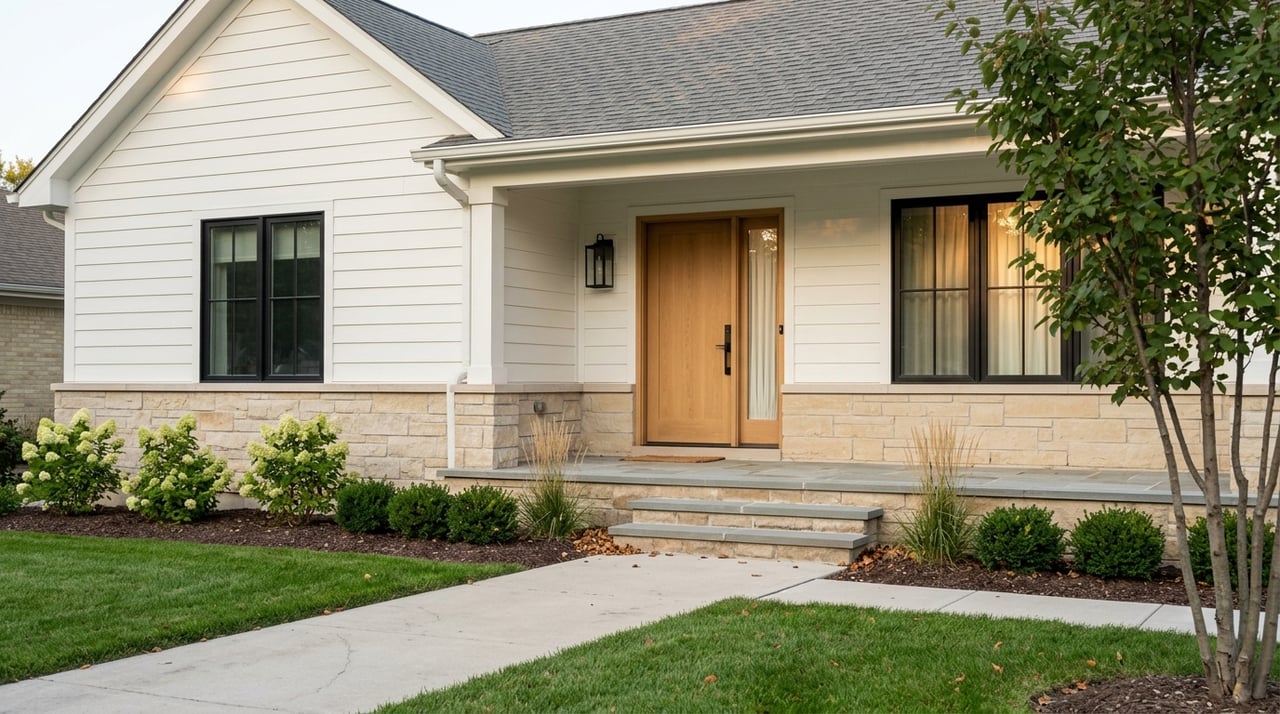
Most Ashbury homes were built in the 1990s. The housing stock includes mostly two-story homes with brick and stone exteriors, along with some Colonial Revival and ranch-style designs. Research sources also note that while most homes fall in the 1970 to 1999 period, some homes were built after 2000.
How Ashbury compares on home style
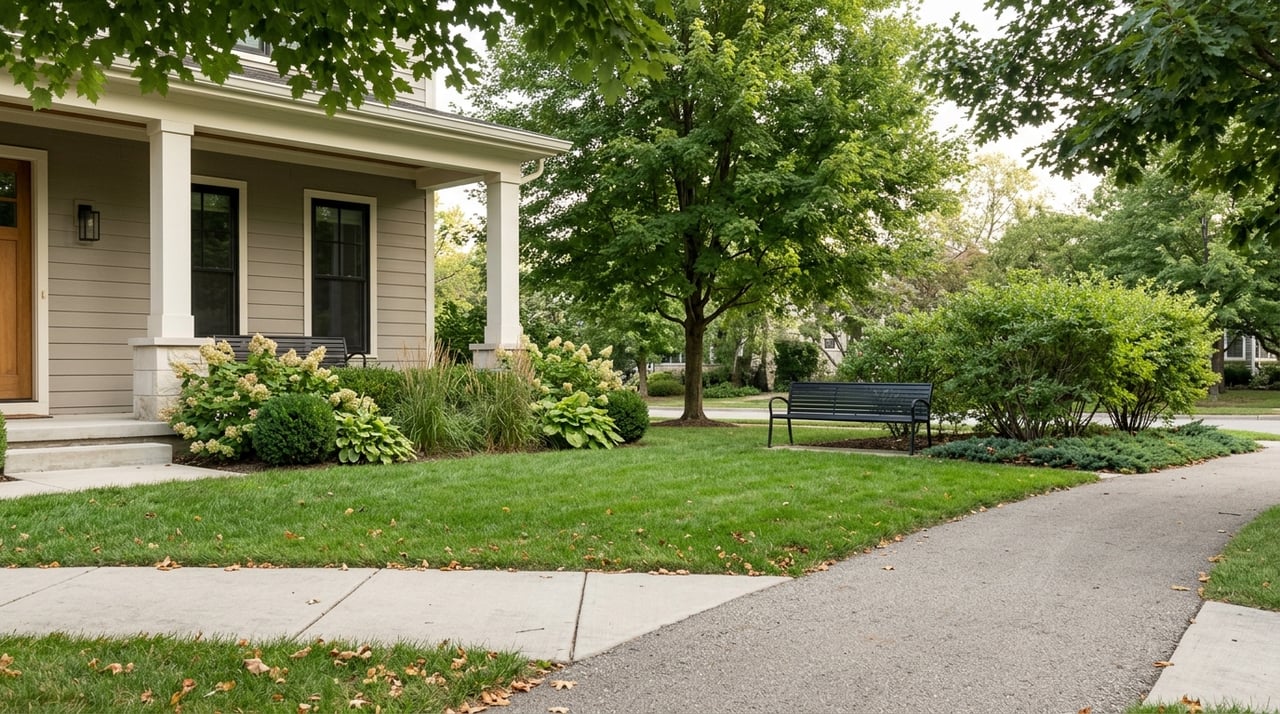
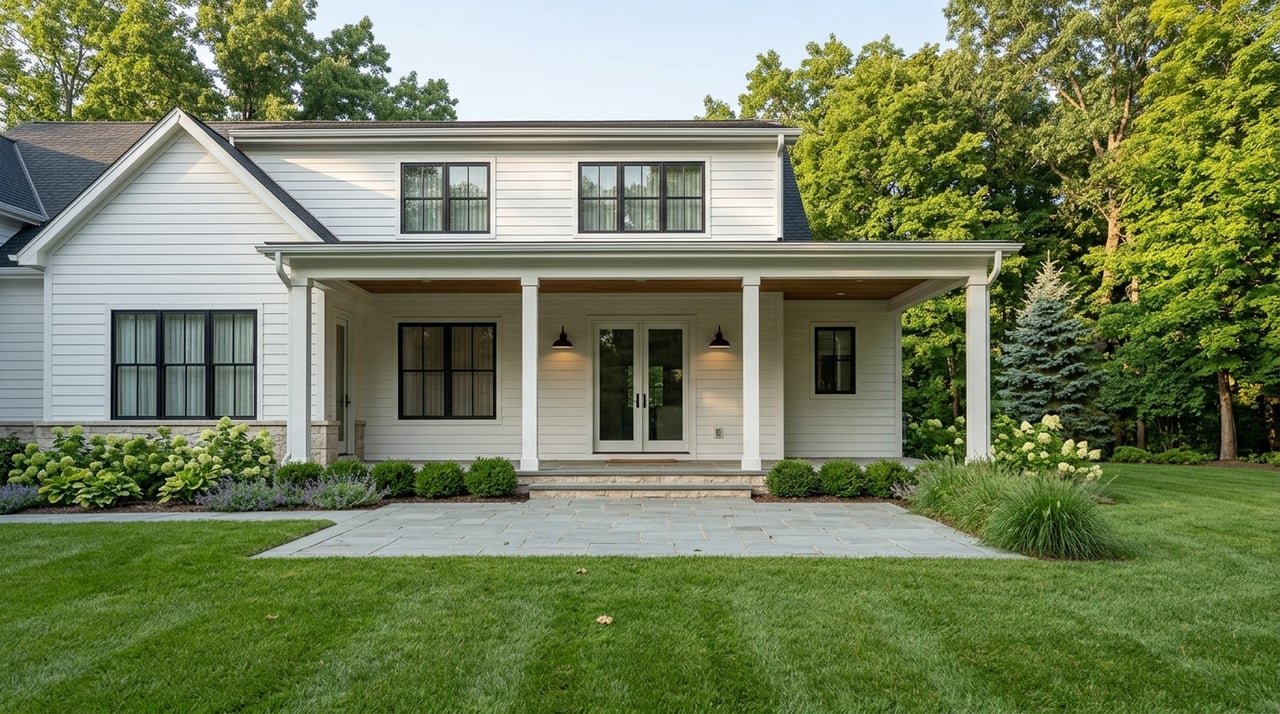
If you want a neighborhood with a more established look and feel, Ashbury stands out. Because it developed largely in the 1990s with a range of custom builders, you tend to see variety within a fairly cohesive overall setting.
That is a different experience from Ashwood Park, which is newer and more custom-home oriented, and from White Eagle, which has a more mixed housing profile. For many buyers, that makes Ashbury feel more predictable from block to block while still offering architectural variety.
Ashbury versus Ashwood Park
Ashwood Park is the newest of the three neighborhoods. Research describes construction there from 2005 to 2023, with a median year built of 2014, expansive custom-built single-family homes, oversized lots, and average single-family size near 3,993 square feet.
In simple terms, Ashwood Park is usually the better fit if you are focused on newer construction and larger custom homes. Ashbury is more likely to appeal if you prefer an established neighborhood with mature identity and more typical resale patterns.
Ashbury versus White Eagle
White Eagle has a broader housing mix than Ashbury. Research describes a base of late-1980s through mid-1990s homes, some newer custom construction, and a mix of single-family homes, townhomes, and condos.
That variety can be a plus if you want more product types in one neighborhood area. Ashbury is generally more uniform as a single-family-centered master-planned community, while White Eagle can vary more depending on the specific section and address.
Amenities and neighborhood feel
Amenities are one of the clearest differences between these three south Naperville options. While all three offer attractive lifestyle features, each neighborhood organizes them a little differently.
Ashbury centers its amenity story on a residents-only clubhouse and pool, along with Ashbury Park. Research notes the pool includes features like zero-depth entry and slides, while the park adds baseball, fishing, pickleball, tennis courts, trails, and ponds.
For many buyers, that creates a balanced amenity package. You get neighborhood social features through the HOA, plus public park amenities that support recreation without making the community feel centered on a private club identity.
Ashwood Park amenities
Ashwood Park leans more toward a pool-and-path model. Research notes the club includes a seasonal pool, a fitness room, a basketball court, and a facility available for private rentals for members only, along with ponds and walking and biking paths in the surrounding neighborhood.
That can appeal if you want newer homes paired with recreation-focused amenities, but without the golf-centered structure found in White Eagle. It is a different lifestyle emphasis from Ashbury, even if both neighborhoods include pool access as a key feature.
White Eagle amenities
White Eagle is the most club-oriented of the three. Research shows White Eagle Golf Club offers 27 holes of golf on about 163 acres, plus a pool, pickleball, platform tennis, dining, indoor simulators, and year-round social programming, with both Social Sport and Golf memberships available.
There is also public park space at White Eagle Park, including basketball courts, playgrounds, and picnic shelters. If your ideal neighborhood includes a strong private-club presence, White Eagle may stand out more than Ashbury or Ashwood Park.
Commute and daily access
Your daily routine can matter just as much as the home itself. In Naperville, the two commuter rail stations are the Naperville Metra Station and the Route 59 Metra Station, with Pace service between them, so your best fit often depends on which station or driving corridor lines up better with your address.
Ashbury is generally a drive-first neighborhood. Research places it south of downtown Naperville and notes that Route 59 access is typically reached by heading west on 95th Street, while transit stops are at least a 20-minute walk away and the downtown Naperville station is about 8 miles north.
Access from Ashwood Park
Ashwood Park sits farther south than Ashbury. Because the community is located near Ashwood Road and 248th Street, commute convenience tends to be more address-specific, and buyers should think carefully about whether the Naperville station, the Route 59 station, or a primary driving route will work best.
This is one of those neighborhoods where street-by-street guidance matters. A general subdivision label is helpful, but it does not tell the whole story about daily travel patterns.
Access from White Eagle
White Eagle has a different access pattern because Route 59 borders it on the east. Research notes that this makes the Route 59 corridor a major part of everyday access, including errands, shopping, and rail connections.
That often gives White Eagle a different daily rhythm than Ashbury. Instead of feeling more tied to the downtown Naperville station area, White Eagle activity tends to cluster more around the Route 59 side.
Which buyers may prefer Ashbury
Ashbury often works well for buyers who want an established south Naperville neighborhood with a strong sense of identity. If you like 1990s-era homes, a large community footprint, and a pool-plus-park amenity package, it offers a balanced option.
It can also be a practical choice if you want a neighborhood where resale inventory may feel more consistent than in a newer or more mixed community. With over 1,100 homes, Ashbury offers enough scale to give buyers a solid reference point when comparing blocks, models, and price positioning.
When Ashwood Park may be a better fit
Ashwood Park may make more sense if your top priority is newer construction. Buyers who want larger custom homes, oversized lots, and a newer build era are often drawn to what this neighborhood offers.
It may also appeal if you like neighborhood amenities centered on pool, fitness, and paths rather than a golf-club environment. Compared with Ashbury, the feel is typically newer, larger in scale, and more custom-home focused.
When White Eagle may be a better fit
White Eagle may be the better match if you are specifically looking for a club-centered lifestyle. The golf club, social programming, dining, and broader membership structure create a different type of neighborhood identity than Ashbury’s pool-and-park setup.
It can also be worth a closer look if you want more housing-type variety in the broader neighborhood. Since White Eagle includes single-family homes, townhomes, and condos, the range is wider than what many buyers expect from Ashbury.
Look beyond the subdivision name
One of the most important takeaways is that these are large neighborhoods with meaningful variation inside them. Research specifically points out that buyers should confirm the exact street, HOA structure, and commute pattern at the address level rather than relying on the subdivision name alone.
That matters especially in White Eagle, where the housing mix is more varied, and in Ashwood Park, where the neighborhood is newer and more sensitive to build-out differences. In Ashbury, it still matters too, especially when comparing lot placement, park access, and route convenience.
A smart way to decide
If you are comparing Ashbury with nearby south Naperville neighborhoods, start with three questions. Do you want an established 1990s neighborhood or newer construction? Do you want pool-and-park amenities, pool-and-fitness amenities, or a club-centered lifestyle? And which commute pattern actually fits your day?
Once you answer those questions, the choice usually becomes clearer. If you want help comparing specific streets, home styles, and day-to-day tradeoffs in south Naperville, reach out to Dave Swanson for a free consultation.
FAQs
How is Ashbury different from Ashwood Park in Naperville?
- Ashbury is generally an established 1990s master-planned neighborhood with more than 1,100 homes, while Ashwood Park is newer, with homes built from 2005 to 2023 and a stronger focus on larger custom homes and oversized lots.
How is Ashbury different from White Eagle in south Naperville?
- Ashbury is more centered on a neighborhood pool, clubhouse, and park setting, while White Eagle is more club-oriented, with golf, dining, social programming, and a broader mix of housing types.
What kind of homes are common in Ashbury?
- Research describes Ashbury homes as mostly 1990s-era two-story homes with brick and stone exteriors, along with some Colonial Revival and ranch-style homes.
Which neighborhood has the newest homes near Ashbury?
- Ashwood Park is the newest of the three compared neighborhoods, with construction dates ranging from 2005 to 2023 and a median year built of 2014.
Is Ashbury a good fit for buyers who use Metra?
- Ashbury is generally considered more drive-first, with Route 59 access commonly reached via 95th Street and the downtown Naperville station located about 8 miles north, so exact commute convenience depends on the address and your routine.
Why should buyers compare streets, not just neighborhood names?
- These neighborhoods are large and can vary by subarea, so buyers should confirm the specific street location, HOA structure, and commute pattern for a property before making a decision.