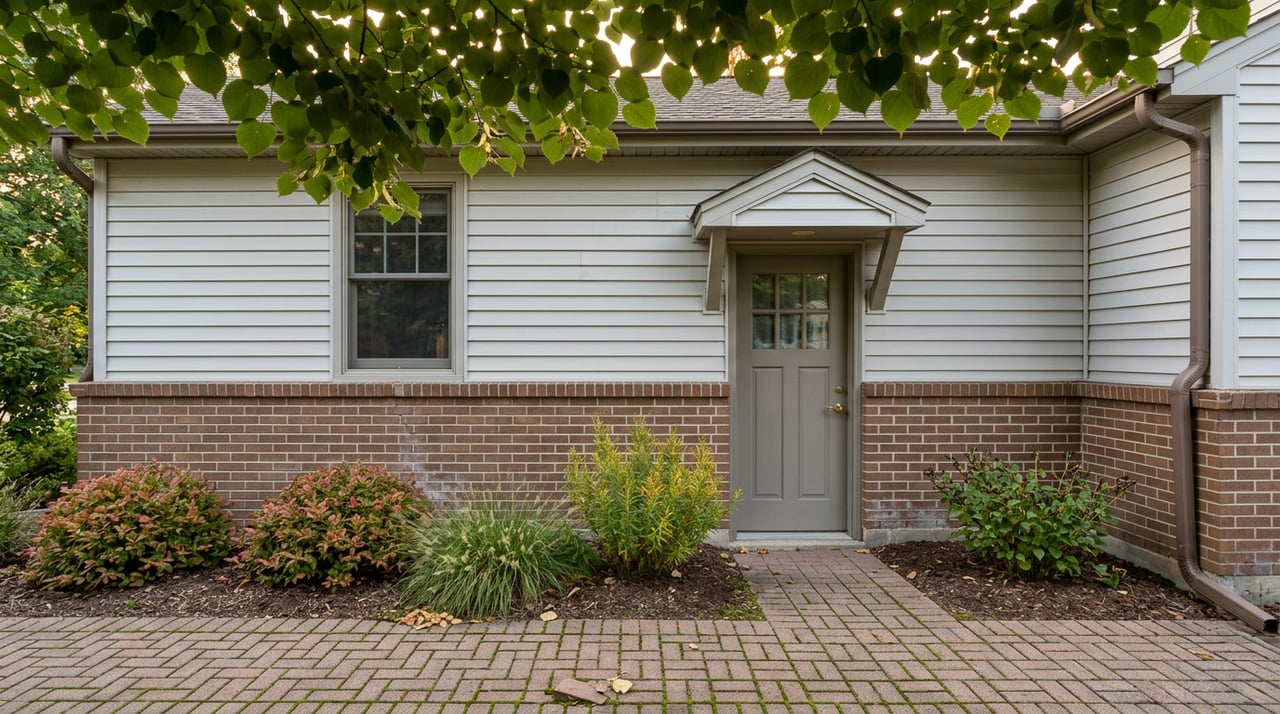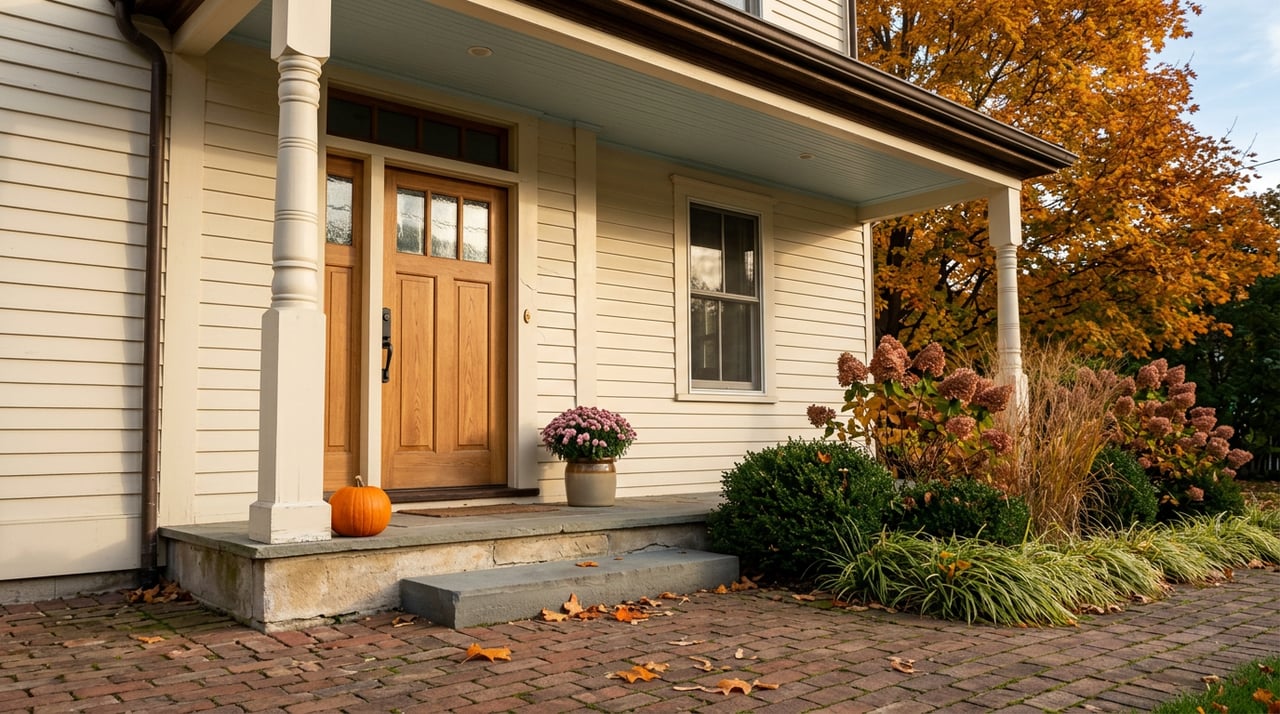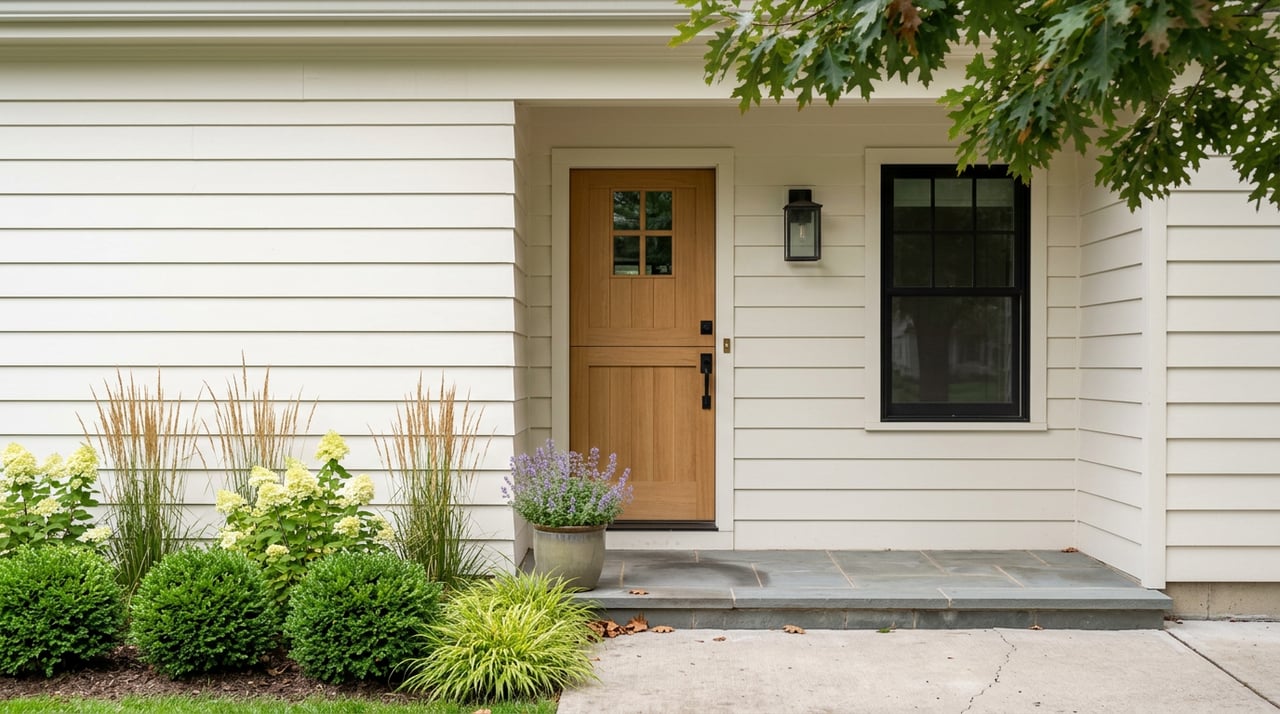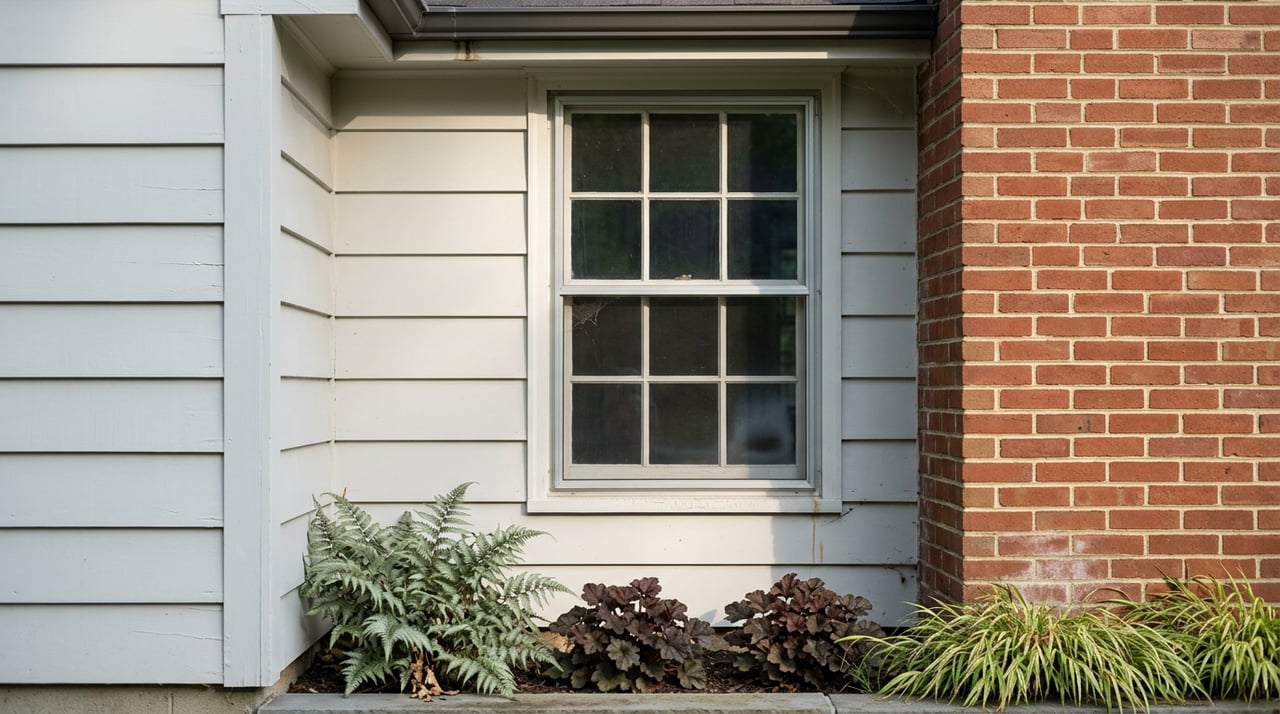
Ask a homeowner in Naperville's Historic District about the Certificate of Appropriateness process and you'll likely hear a complaint. A window swap sent back for revisions. A siding sample rejected because it reads as synthetic from the sidewalk. A rear addition that took three extra months to clear the commission. Ask that same homeowner about Illinois's Property Tax Assessment Freeze Program and you'll usually get a blank look, because most people who live inside the district's boundary have never heard of it.
That gap is the real story here. The review process that everyone experiences as friction is tied to the same design standards that qualify a rehab for one of the more useful property tax tools available to Illinois homeowners. Almost nobody treats them as connected, but they are, and understanding that connection changes how you should plan a renovation or evaluate a fixer-upper in this neighborhood.
What Actually Triggers a Certificate of Appropriateness
The Historic Preservation Commission oversees exterior work inside the local historic district, and the trigger for review isn't age or general upkeep. It's visibility and material change.
Work that generally needs a Certificate of Appropriateness:
- Replacing windows or doors in a way that changes the material, profile, or overall appearance
- Adding or altering decks, porches, fences, driveways, or exterior stairs
- Installing signage, awnings, exterior lighting, or visible mechanical equipment
- Removing trees visible from the street or adding retaining walls
Work that usually clears without one:
- Routine maintenance using like-for-like materials
- Interior renovations that don't touch the exterior
- Repainting in the same or a closely matching color
That distinction matters more than most buyers assume walking into a home tour. A century-old foursquare with a tired kitchen and outdated bathrooms can often be gutted and redone inside without a single filing to the city. It's the exterior decisions, the ones that show up in a listing photo, that get reviewed under Naperville's historic preservation regulations.
The Timeline You Should Actually Plan Around
Because the Historic Preservation Commission meets bi-monthly to review applications, the calendar matters as much as the paperwork. A complete, well-documented application typically takes four to eight weeks to move from submission to a decision. If the commission asks for revisions or you appeal a denial, add several more weeks. Once the Certificate of Appropriateness is in hand, the standard building permit process still applies on top of it.
| Stage | What to Budget |
|---|---|
| Pre-submission meeting with preservation staff | Recommended before you finalize plans |
| Commission review of a complete application | Roughly 4 to 8 weeks |
| Revisions or an appeal, if needed | Add 2 to 8 weeks |
| Building permit after Certificate of Appropriateness approval | Several more weeks, depending on scope |
For anyone buying a home with a move-in renovation planned, or a seller trying to finish exterior work before listing, this is the number that gets left out of a contractor's quote. A rear addition that a general contractor prices at ten weeks of labor can easily stretch to five or six months once design review is added to the front end.
Not Every Old Naperville Home Carries These Rules
The local historic district isn't a blanket designation across every century-old block in Naperville. The city's own count puts it at approximately 320 properties, including part of the North Central College campus, with 253 of those being homes. That's a defined, bounded inventory, not a general rule that follows a house because it looks old.
If you're evaluating a property and its history is part of the appeal, the first practical step is checking the address against the city's official map rather than assuming based on architecture or the age of the neighborhood around it. Properties being considered for individual landmark status or contributing status within the district also generally need to be at least 50 years old, which is one more reason age alone doesn't answer the question.
The Trade Nobody Mentions: An 8-Year Freeze, Then a 4-Year Step-Up
Here's where the two systems connect. Illinois runs a Property Tax Assessment Freeze Program for owner-occupants of certified historic residences who complete a substantial, approved rehabilitation. If your project's eligible expenses equal or exceed 25 percent of the assessor's fair market value for the property, and the work is done within a 24-month window and meets the Secretary of the Interior's Standards for Rehabilitation, the state will freeze your assessed value at its pre-rehab level.
| Period | What Happens to Assessed Value |
|---|---|
| Year rehab begins | Locked at that year's level |
| Years 1 through 8 | Held flat at that same level |
| Years 9 through 12 | Steps up gradually toward current market value |
| Year 13 and beyond | Full current assessment applies |
That's twelve years of a materially lower assessed value on the improvements you just made, administered free of charge through the Illinois State Historic Preservation Office. It doesn't freeze your tax rate or shield you from county multipliers, both of which can still move independently, but it removes the increase in assessed value that a major rehab would otherwise trigger.
The reason so few owners use it isn't eligibility. Most owner-occupants who complete a real rehab under HPC review are already close to qualifying, since the same design standards the city applies through the Certificate of Appropriateness process, retaining character-defining features, matching material and profile, avoiding vinyl or synthetic substitutions on street-facing elevations, line up closely with the Secretary of the Interior's Standards the state requires for the freeze. The reason is awareness. The two processes are run by different agencies, filed on different forms, and nobody connects them for you at closing.
Where This Gets Tactical
If you're buying a property in the district with renovation in mind, a few decisions early on determine whether you end up with a freeze or just a finished exterior:
- Confirm the address sits inside the official boundary before you budget for design review at all, since the rules don't apply outside it.
- Pull the assessor's current fair market value for the property before finalizing a renovation budget. The 25 percent threshold is calculated against that figure, not your purchase price.
- Talk with city preservation staff before locking in materials. A plan built to the Secretary of the Interior's Standards from the start will clear the Certificate of Appropriateness with fewer revisions and needs little adjustment for the state freeze application.
- If you're buying from someone who already completed a qualifying rehab, ask whether they filed Parts 1 and 2 of the freeze application before starting work. That paperwork can be handed to you as the new owner-occupant, letting you complete Part 3 and receive the freeze yourself once you move in.
- Build the 24-month spending window and the four to eight week commission review into your renovation schedule, not just the number your contractor gives you.
None of this is tax or legal advice, and the specifics of your assessed value, your eligible expenses, and your timeline should go through your township assessor and the Illinois SHPO directly. What a local advisor can do is help you line up the right architect, contractor, and attorney before you're mid-project and realize the paperwork should have started months earlier.
A Few Questions Worth Settling Before You Start
Does the freeze lower my tax rate too? No. It freezes the assessed value component only. The rate itself and any county multipliers can still change year to year, so your bill isn't locked, just the value it's calculated against.
What happens if I sell during the freeze period? It ends at closing. The freeze is tied to owner-occupancy, so a sale cancels it for whatever term remains and the assessed value resets to current market level. A new owner-occupant can apply for a fresh freeze if they meet the same 25 percent threshold on their own rehab.
Do I need a Certificate of Appropriateness for a new roof or a repaint? Usually not, as long as the work is like-for-like. Once you change material, profile, or visible design, plan on a filing.
How do I know if my house is actually in the local historic district? Check the address against the city's official map rather than going by the home's age or the character of the block. The district covers a specific, limited set of properties, not every older home in Naperville.
If you're weighing a fixer-upper inside the district, or you already own one and are trying to figure out whether a planned project clears both the city's review and the state's freeze, it helps to talk it through before the contract is signed rather than after. Dave Swanson has spent years coordinating permitting, entitlement, and renovation work across Naperville's older neighborhoods, and can connect you with the preservation-savvy contractors, architects, and attorneys who make this process move faster instead of slower. Schedule a free consultation to walk through your specific property and timeline.