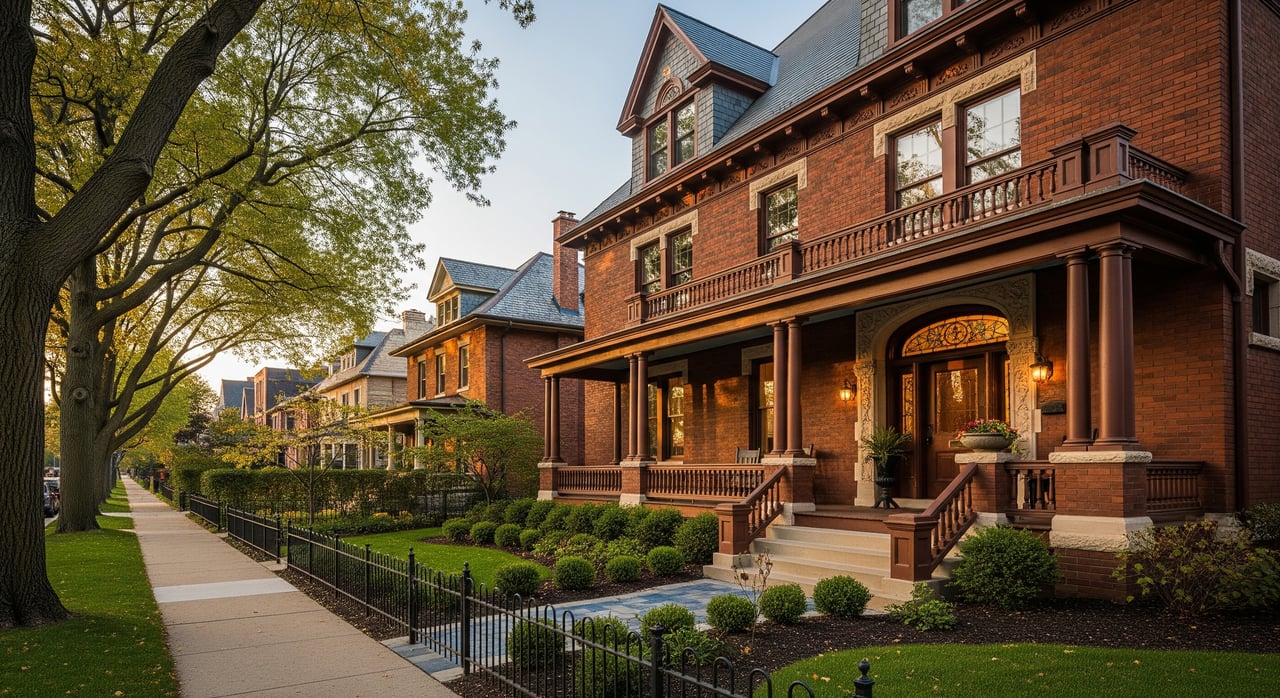
What is the right list price for a historic home in Naperville’s Historic District? If you price too high, you risk long days on market and tough appraisals. If you price too low, you leave money on the table for features that preservation-minded buyers value. In this guide, you’ll learn how to price with confidence by understanding what drives value, how to select comps, and what prep work supports a premium outcome. Let’s dive in.
Know the local rules first
Naperville’s Historic Preservation Commission reviews exterior changes in designated areas and may require a certificate of appropriateness. That affects what buyers can change and when, which can influence price and timelines. Before you list, confirm the property’s designation status and whether any easements, covenants, or approvals apply. Build expected review timelines into your marketing plan so negotiations and closing dates stay realistic.
What drives value for historic homes
Architectural integrity and authenticity
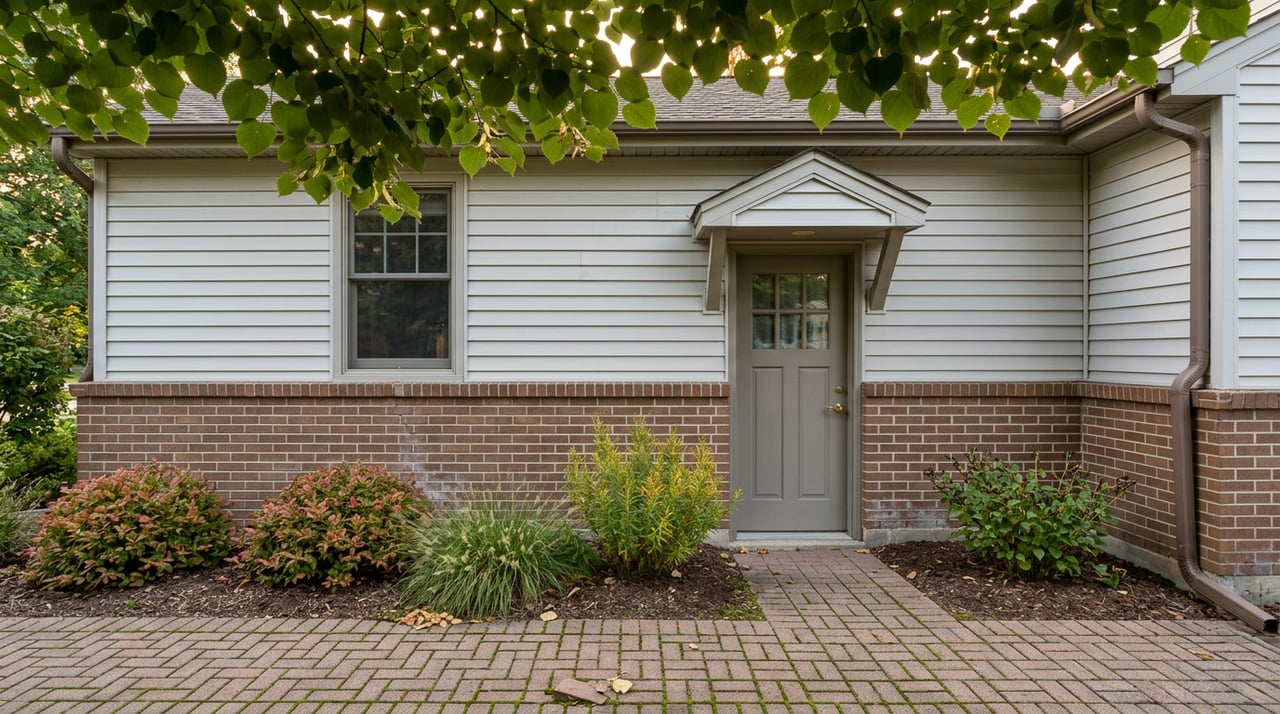
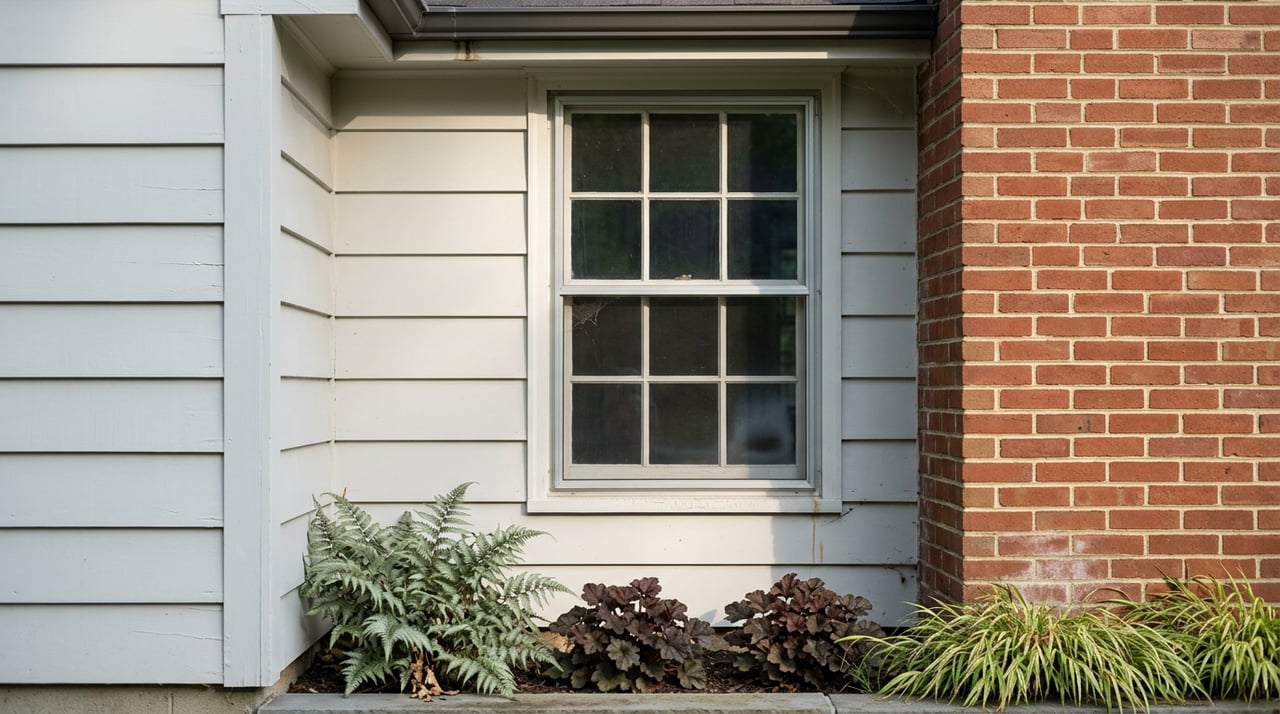
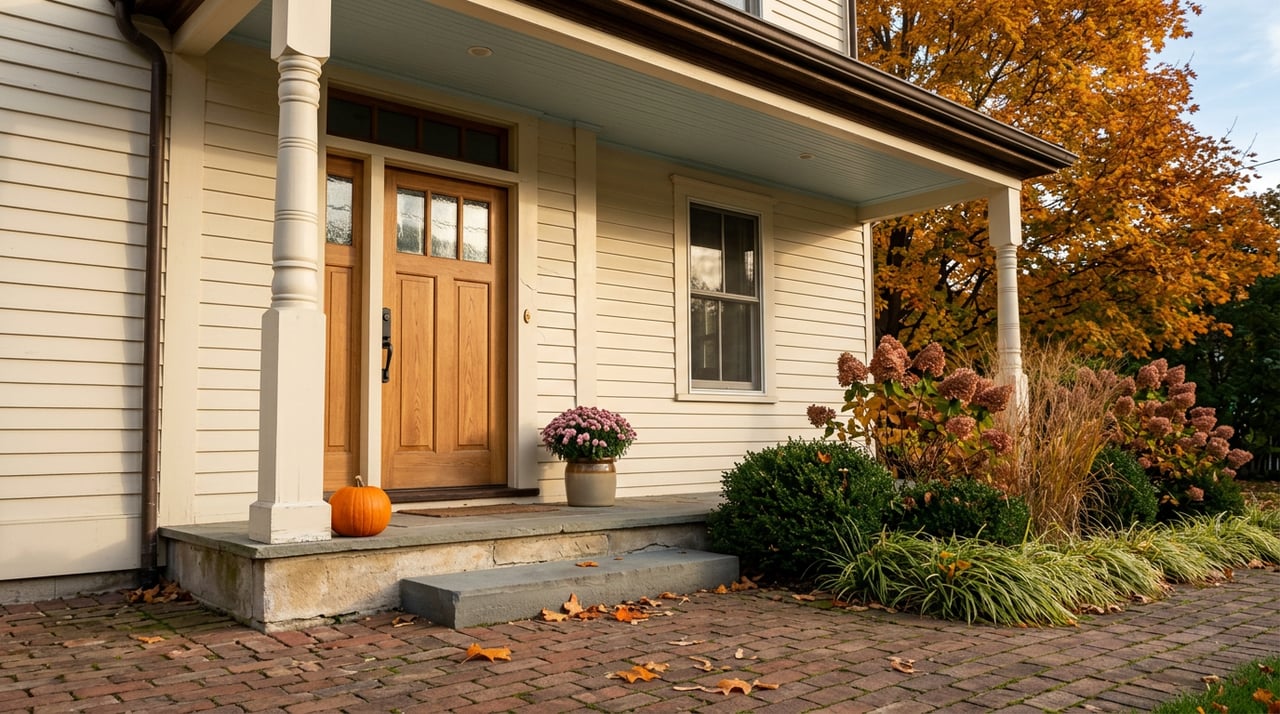
Buyers who seek historic homes value intact rooflines, original windows and woodwork, true masonry, and period details. Documented integrity often earns a premium, especially when comparable homes with similar authenticity are scarce. Create a feature inventory so buyers and appraisers see what is original, restored, or sensitively upgraded.
Condition and deferred maintenance
“Authentic and updated” sells better than “original but deferred.” Issues with roof, masonry repointing, aging systems, or lead paint reduce value through cost-to-cure and lower buyer appeal. A pre-listing inspection that addresses historic materials gives you clear repair estimates and minimizes surprises.
Lot and setting
Setting adds real value. Mature landscaping, consistent setbacks, and cohesive streetscapes support stronger pricing. When comps sit on different lot sizes or block conditions, plan thoughtful adjustments for frontage, orientation, and surrounding development.
Function and layout
Some historic homes have smaller kitchens or fewer en suite baths. Sympathetic renovations that improve function while preserving key features can support higher prices. When function lags, adjust using cost-to-cure or by comparing to sales with similar upgrades.
Restrictions, easements, and approvals
Restrictions can narrow the buyer pool for those who want total renovation freedom, but they may increase value for buyers who prize guaranteed preservation. Identify any preservation easements and required approvals early. Clear disclosures help you avoid deal friction and pricing pressure later.
Incentives and tax considerations
The Federal Historic Rehabilitation Tax Credit generally applies to certified rehabilitation of income-producing historic properties. It usually does not apply to owner-occupied single-family homes. State and local programs vary, so verify any incentives for Naperville or DuPage County before using them in your pricing story.
How to choose comparables in a niche market
Finding the right comps in a historic district takes a layered approach:
- Start with sales on the same block or adjacent streets that share age, style, and streetscape.
- Expand to the same district, then to similar historic neighborhoods nearby if needed.
- Use contemporary non-historic comps only as a last resort and explain differences clearly.
When you adjust, focus on square footage, bedroom and bath count, major systems, integrity of original features, lot and frontage, garage or parking, and recent renovations. If close comps are limited, use time-adjusted sales from the district and include a clear rationale for every adjustment.
Pre-listing prep that boosts price confidence
- Historic feature inventory. Room-by-room list of original and restored elements with photos.
- Condition survey and cost-to-cure. Pre-listing inspection plus contractor estimates for historic materials.
- Documentation file. Permits, restoration invoices, warranties, and work history.
- Early commission check-in. Ask staff about typical approvals and timelines for buyer-requested changes.
- Expert valuation. Consider a pre-listing appraisal from an appraiser with historic-property experience if pricing is uncertain.
Pricing strategies that work in Naperville
Market-value pricing
Price to recent district comps and present a strong disclosure package. When documentation is thorough, buyers see less risk and respond with stronger offers.
Justified premium pricing
If integrity is high and demand for character is strong, set a modest premium above nearby non-historic comparables. Support it with your feature inventory, restoration records, and the best-available district comps.
Value-range pricing and testing
If comps are thin, use a pricing band with a clear timeline to adjust based on showing feedback. Historic properties can move faster when list price reflects buyers’ perceived cost to capture, including known restoration or maintenance items.
Always share your pricing rationale with buyers and their appraisers. A comp table, condition costs, and documentation of authenticity reduce appraisal risk and protect your price.
Marketing and negotiation to protect value
Message what matters
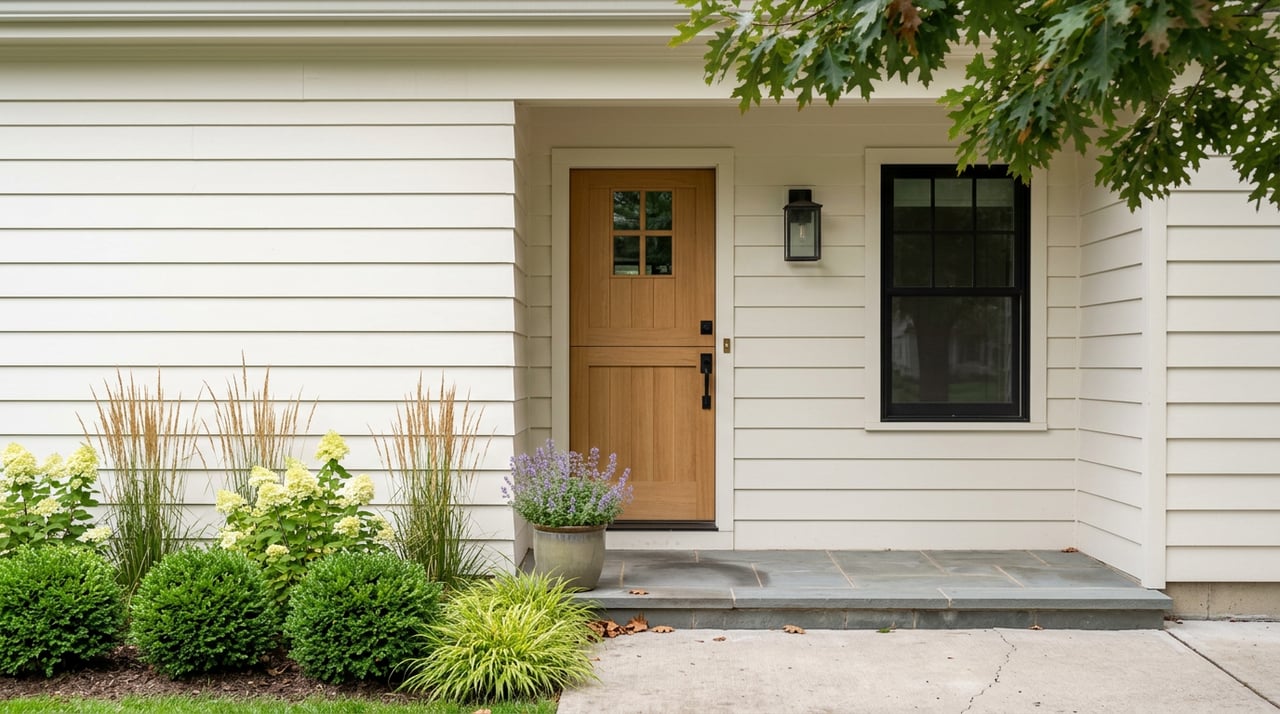
Emphasize architectural features, provenance if known, and documented restoration work. Share what is included in the sale, such as period lighting or hardware, to reinforce value.
Target likely buyers
Preservation-minded buyers, downsizers who value character, and professionals drawn to downtown access often search in the district. Tailor your message. Highlight authenticity and provenance for preservation-focused buyers, and spotlight functional upgrades that kept the character for those who want move-in comfort.
Navigate appraisals and credits
Be ready for appraisal scrutiny when comps are limited. Provide your packet of comps, permits, and cost documentation upfront. If a buyer needs renovation flexibility, you can sometimes bridge gaps with a seller credit tied to documented repairs while maintaining a stronger contract price.
Example pricing checklist
- Confirm designation status, easements, and required approvals.
- Order a pre-listing inspection with attention to historic materials.
- Compile restoration records, permits, and warranties.
- Create a photo-rich inventory of original and altered features.
- Gather the best-available district comps and prepare clear adjustments.
- Consult an appraiser experienced in historic homes if needed.
- Build targeted marketing collateral with professional photography and detail shots.
- Choose your pricing path and plan for appraisal scenarios.
Ready to set your price?
You do not have to guess. A clear, documented pricing plan can showcase your home’s character and support a strong outcome in the Naperville Historic District. If you want street-by-street guidance, premium presentation, and help coordinating inspectors, appraisers, and preservation steps, connect with Dave Swanson. Schedule a free consultation.
FAQs
How does historic designation affect resale in Naperville?
- Research indicates value impact is often neutral to positive when buyers view designation as protecting neighborhood character, provided restrictions and processes are disclosed early.
What premium can a high-integrity home command?
- There is no fixed percentage. Documented integrity plus good condition supports higher pricing, while deferred maintenance reduces value through cost-to-cure.
Do I need approval to renovate after buying in the Historic District?
- Exterior changes in designated areas may require review and a certificate of appropriateness, so confirm requirements and timelines before planning work.
Are there tax credits for restoring an owner-occupied historic home?
- The federal 20% rehabilitation tax credit generally applies to income-producing certified projects, not most owner-occupied single-family homes.
How can I reduce appraisal risk when selling a historic home?
- Provide a full packet: best-available comps, feature inventory, permits, restoration invoices, and contractor estimates for any repairs or upgrades.