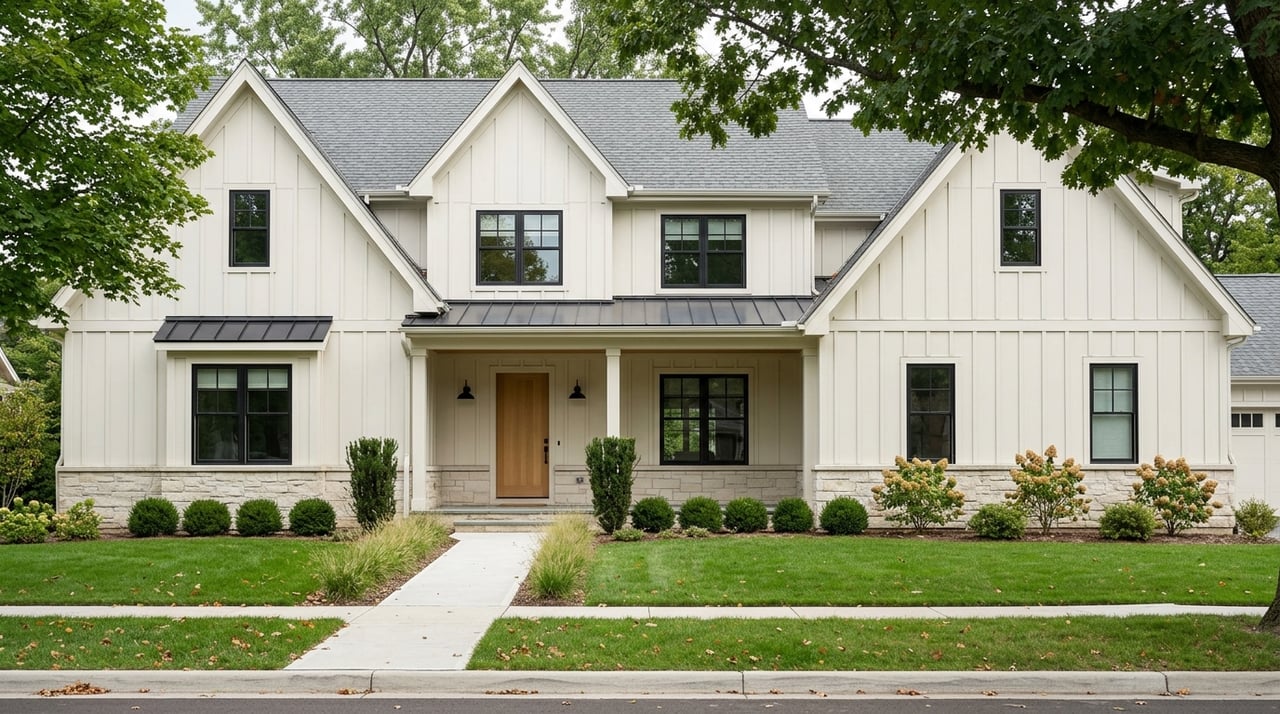
Thinking about a teardown or new build in East Highlands? You are not alone. This part of Naperville often comes up in redevelopment conversations because many homes sit on older lots in a neighborhood that began developing in the 1950s, and recent years have brought widespread redevelopment activity. If you are weighing whether to remodel, rebuild, or buy a lot for a new home, it helps to understand how Naperville’s rules and process really work before you make a move. Let’s dive in.
Why East Highlands Draws Teardown Interest
East Highlands has physical traits that naturally make it part of the teardown and new-build conversation. According to the city’s windshield survey, the neighborhood includes mostly homes built from the 1950s through the 1970s, with curved streets in the north half and distinct home designs in the south half. Naperville Preservation also notes that the neighborhood has seen widespread redevelopment in recent years.
That does not mean every property is a teardown candidate. It does mean East Highlands has the kind of lot patterns, home age, and redevelopment history that often lead buyers, owners, and builders to compare renovation costs against the option to start over.
Why Lot-by-Lot Research Matters
One of the biggest mistakes you can make is assuming the same rules apply across the entire neighborhood. In East Highlands, parcel details can vary, and Naperville’s planning framework makes it clear that setback, coverage, and district rules are property-specific.
A smart first step is to pull parcel details through the city’s Your Place and GIS tools. The city says these tools provide zoning information and other parcel-level details, which can help you understand what you are looking at before you make an offer or start design work.
Naperville also recommends getting a survey from a licensed Illinois land surveyor before buying, dividing, or building. That matters because boundary lines, easements, and lot configuration can shape what is actually possible on paper and on site.
Key Naperville Rules to Know
If you are planning a teardown or infill project, Naperville has a specific framework that matters. The city’s teardown and infill toolkit says qualifying projects must follow the zoning rules for the district plus Section 6-2-26.
For many teardown and infill projects, that includes:
- A 2.5-story height limit
- Up to 40 feet to the roof peak
- A 35% building coverage cap
Because East Highlands began developing in 1954, many properties may fall within the type of older subdivision addressed in the city’s teardown and infill rules. Still, you should not assume a lot qualifies or performs the same as the one down the street.
Naperville’s Land Use Master Plan also emphasizes consistent front and side yard setbacks in residential areas. That is another reason design ideas that work on one parcel may not work on another.
Start With Buildability Questions
Before you focus on finishes, floor plans, or resale value, start with buildability. A few early questions can save you time, money, and frustration.
Ask these first:
- What is the property’s zoning district?
- What are the front, side, and rear setback requirements?
- How much lot coverage is allowed?
- Is the parcel a single buildable lot of record?
- Will the project need a subdivision, variance, or other approval?
- Are there easements, drainage concerns, or right-of-way issues?
Naperville’s planning materials state that building permits are only issued for structures on a single subdivided lot of record. If a legal description includes more than one lot, subdivision is required before a permit can be issued.
Understand the Approval Path
Not every project follows the same path. Some teardowns move through a fairly direct permit process, while others need extra city review.
If your project may require more than a simple permit, the city’s development resources identify concept meetings as the first step in the review process. If a variance, rezoning, or other development approval is needed, Naperville uses a formal petition process through its development petition and application system.
That process can include staff review cycles, required notice, a posted sign before a hearing, Planning and Zoning Commission review, and possible City Council review. In plain terms, if your plan does not fit the rules as written, expect a more involved timeline.
Permits Come Next
For a straightforward teardown and rebuild, demolition and new-construction permits are the next major step. Naperville states that permits are required for new construction, demolition, additions, and many site features, and the city estimates that complex projects such as a new single-family home may be reviewed within three to four weeks.
The city’s building permits page is especially important right now because permit applications submitted on or after April 1, 2026 must comply with the 2024 ICC building code set. If you are relying on older assumptions, you could run into avoidable delays.
Demolition Has Its Own Rules
A teardown is not just about knocking a house down. Naperville’s demolition requirements include photos of the structure from all sides, proper debris disposal, protection of public property, compliance with truck routes, and final grading that preserves drainage and restores vegetative cover.
If demolition affects the street, sidewalk, parkway, or easements, a right-of-way permit is also required. That is one reason it helps to treat demolition as a coordinated pre-construction phase, not a side detail.
Trees, Utilities, and Site Conditions
Site work can become a surprise cost if you do not investigate it early. Naperville’s development resources say builders should call JULIE 48 hours before digging, which is a basic but critical step for utility safety and coordination.
Tree issues can matter too. On residential parcels over 1.5 acres, and on all non-residential parcels, the city requires a tree-removal permit for trees 4 inches or larger in diameter. Parkway trees are city property and may only be removed by the city.
Even when a tree permit is not the main issue, mature landscaping, grading, drainage, and utility locations can influence design, timing, and budget. In a neighborhood like East Highlands, those details can vary meaningfully from lot to lot.
Historic Review Is a Separate Check
East Highlands redevelopment does not automatically mean historic review, but it is worth checking early. Naperville says that if a property is landmarked or located in the city’s designated historic district, exterior changes, construction, or demolition may require a Certificate of Appropriateness.
The city’s historic district regulations also note that building permits may still be required even when historic review applies. In other words, historic review does not replace the permit process.
Construction Timing Affects Expectations
If you are buying next to a construction site, rebuilding your own home, or planning a project timeline, neighborhood construction-hour rules are useful to know. Naperville’s code enforcement guidance limits teardowns, large room additions, and new construction in improved dwelling units to:
- 7 a.m. to 7 p.m. Monday through Friday
- 8 a.m. to 4 p.m. Saturday
- No Sunday or holiday work
These limits help set realistic expectations for how a project may affect your schedule and the surrounding block.
How to Make Smarter Decisions
If you are a buyer, teardown investor, or current homeowner, your best advantage is doing the homework before emotion takes over. It is easy to fall in love with a lot, a street, or a concept rendering. It is much harder to unwind a contract after discovering a setback problem, subdivision issue, or approval hurdle.
A practical approach usually looks like this:
- Review parcel and zoning details through the city GIS tools.
- Order or review a current survey.
- Confirm whether the property is a single buildable lot of record.
- Identify whether the concept fits setback, height, and coverage rules.
- Determine whether the project may trigger a variance, petition, or historic review.
- Budget for demolition, grading, utilities, and site coordination.
- Move into permit planning with licensed professionals.
Naperville also advises homeowners to hire licensed contractors, gather at least three bids for non-minor work, verify bonding and insurance, and avoid anyone who suggests skipping permits or inspections. The city’s permit guide also reminds residents to check for any HOA requirements that may add another layer to the process.
Where Local Guidance Helps Most
In East Highlands, teardown and new-build opportunities are not just about finding an older house on a nice lot. The real opportunity is knowing how to evaluate the parcel, the rules, the process, and the likely timeline before you commit.
That is where local market knowledge can make a real difference. If you want help evaluating a potential teardown, understanding a lot’s redevelopment potential, or comparing a remodel against a rebuild, Dave Swanson can help you approach the decision with practical local insight and a clear plan.
FAQs
What makes East Highlands Naperville a common area for teardowns and new builds?
- East Highlands includes many homes built from the 1950s to the 1970s, larger older lots, and a documented pattern of recent redevelopment, which makes it a natural area for rebuild discussions.
What Naperville rules matter most for an East Highlands teardown project?
- The key issues usually include zoning, setbacks, lot coverage, buildable lot status, teardown and infill standards, demolition permit conditions, and whether the project needs a variance or other city approval.
What is the height and coverage limit for Naperville teardown and infill homes?
- Naperville’s teardown and infill toolkit says qualifying projects must follow a 2.5-story height limit, allow up to 40 feet to the roof peak, and stay within a 35% building coverage cap, along with district-specific zoning rules.
What should you check before buying a teardown lot in East Highlands?
- You should verify parcel-level zoning information, review a current survey, confirm the lot is a single buildable lot of record, and identify any issues involving setbacks, easements, drainage, historic review, or subdivision.
How long does Naperville take to review a new single-family home permit?
- The city says complex projects such as a new single-family home may be reviewed within three to four weeks, although the total timeline can be longer if additional approvals are needed.
Do historic rules affect teardown and new-build properties in Naperville?
- If a property is landmarked or located within Naperville’s designated historic district, exterior changes, new construction, or demolition may require a Certificate of Appropriateness in addition to building permits.
What are the allowed construction hours for teardowns in Naperville?
- Naperville limits this work to 7 a.m. to 7 p.m. Monday through Friday, 8 a.m. to 4 p.m. Saturday, and does not allow Sunday or holiday work.