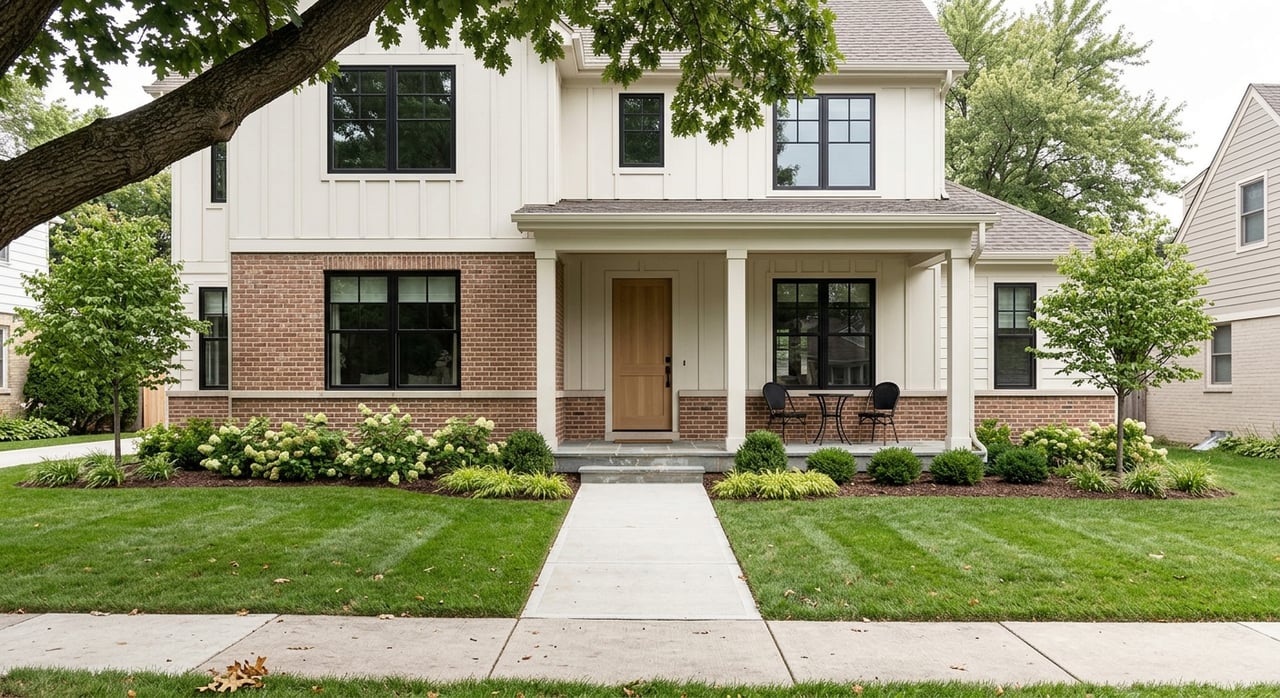
If you want a Naperville neighborhood that feels established, connected, and close to the action, East Highlands deserves a closer look. For many buyers, the challenge is finding a place that offers everyday convenience without feeling cookie-cutter or overly far from downtown. In East Highlands, you get a mix of older homes, newer infill, and a location that can support a walkable or commuter-friendly routine. Let’s dive in.
Why East Highlands Stands Out
East Highlands is one of Naperville’s older close-in neighborhoods, and that history still shapes how it feels today. According to Naperville Preservation, the neighborhood began in 1954 as Naperville’s first large postwar subdivision, with large lots, winding streets, and a varied collection of builder designs.
That variety matters when you are comparing neighborhoods. East Highlands is not defined by one single housing style or one era of construction. Instead, it offers a street-by-street mix that can include original mid-century homes, later-era houses, and newer redevelopment.
Naperville Preservation also found that by 2022, only 223 of 453 surveyed sites were still original structures. That helps explain why East Highlands often appeals to buyers who want character and location, but also want to see a range of home options rather than one uniform look.
Close to Downtown Naperville
One of the biggest lifestyle advantages of East Highlands is its relationship to downtown. Downtown Naperville describes the area as a pedestrian-friendly historic district with more than 150 shops and spas and more than 50 restaurants, making it a major everyday amenity for nearby residents.
For some homes in East Highlands, downtown is close enough to support a true walk-to-downtown routine. A recent local listing described one property as about a 20-minute walk to Downtown Naperville and a 28-minute walk to the train station, which gives a useful sense of how accessible the area can be from certain blocks.
That does not mean every home has the exact same experience. East Highlands is better understood as a neighborhood where proximity is a major draw, with some locations especially well-positioned for those who want easier access to dining, shopping, and downtown events.
What daily life can look like
Living in East Highlands can support a hybrid routine that works for different schedules. On some days, you may head downtown for dinner or a coffee run. On other days, you may drive, bike, or use transit depending on your destination and timing.
That flexibility is part of the appeal. Rather than feeling isolated from Naperville’s core, East Highlands sits close enough that downtown can become part of your regular rhythm instead of an occasional outing.
Commuting and Getting Around
If your schedule includes rail commuting, East Highlands benefits from being near the Naperville Metra station. Metra lists the Naperville station at 105 E. 4th Ave. on the BNSF line, and the station includes 1,652 parking spaces.
That level of parking helps show why transit is part of the neighborhood’s everyday mobility picture. Even if you do not walk to the station from your home, the station is still a practical nearby option for many residents.
East Highlands also fits buyers who rely on driving. Research tied to neighborhood guides notes access to I-88 and I-355, which helps explain why the area can work well for both rail users and drivers.
A good fit for relocations
If you are moving to Naperville from out of town, East Highlands can be especially appealing because the neighborhood is easy to understand at a practical level. You are looking at a close-in location, a mix of home types, nearby downtown amenities, and access to both commuter rail and regional roads.
For relocating buyers, that often makes the transition simpler. You can focus on your preferred home style, lot size, and daily routine without giving up the convenience of a well-connected location.
Homes in East Highlands
The housing story in East Highlands is one of its most distinctive features. This is not a neighborhood that fits neatly into a single label like fully historic or entirely new construction.
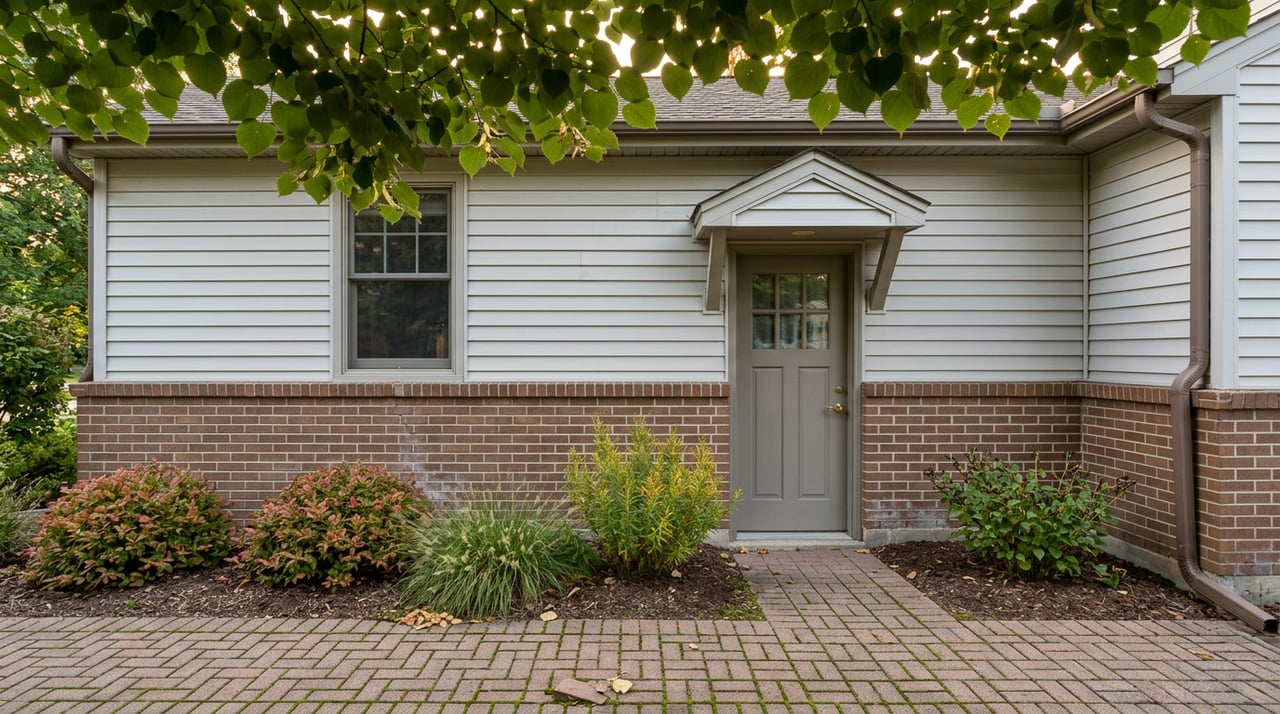
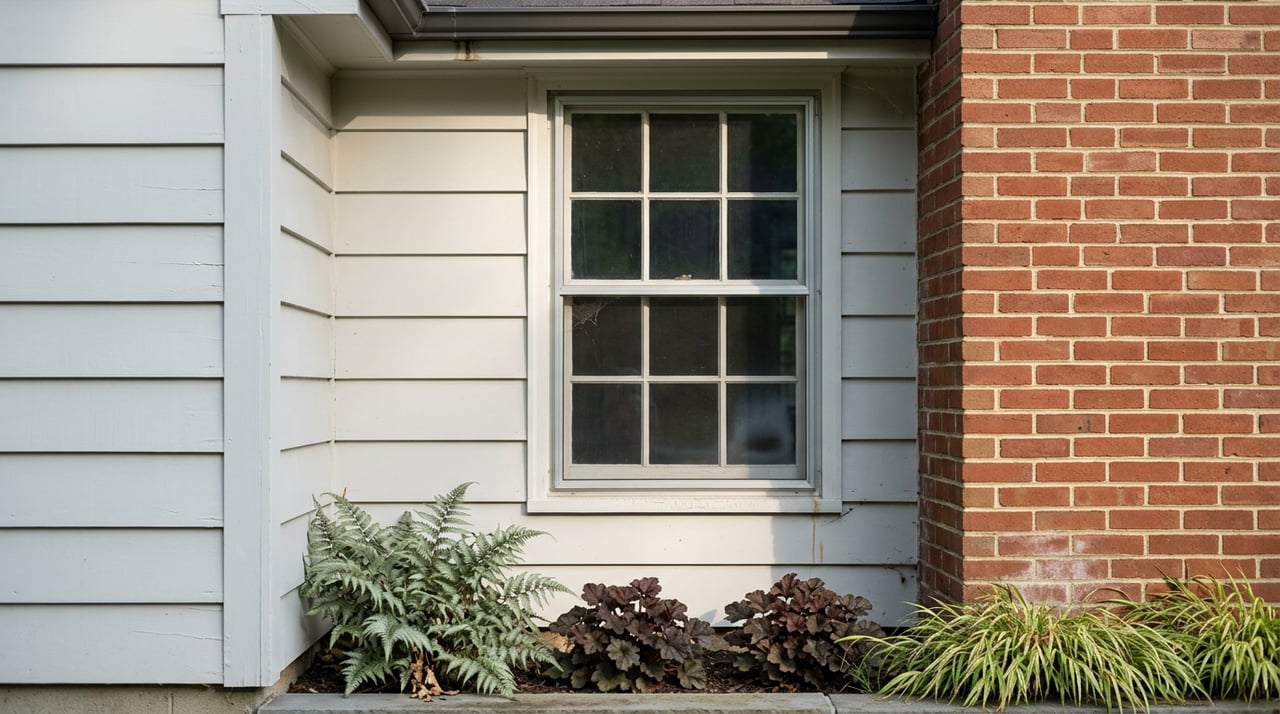
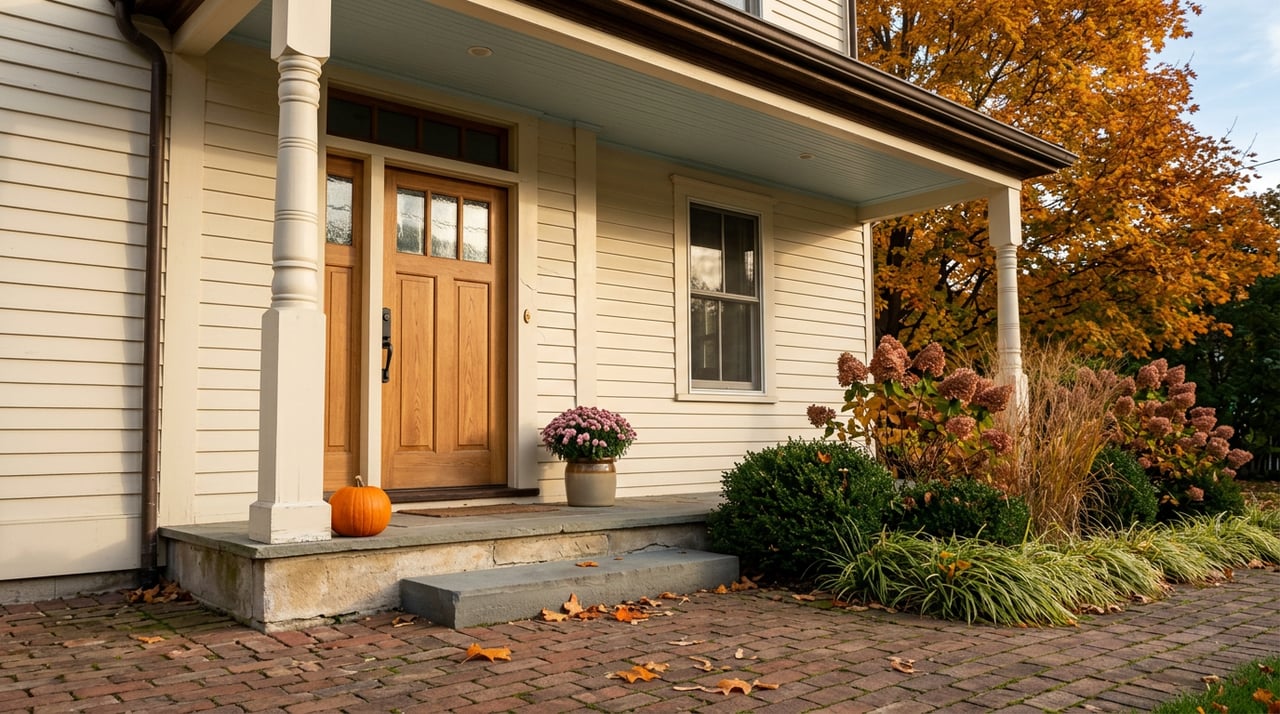
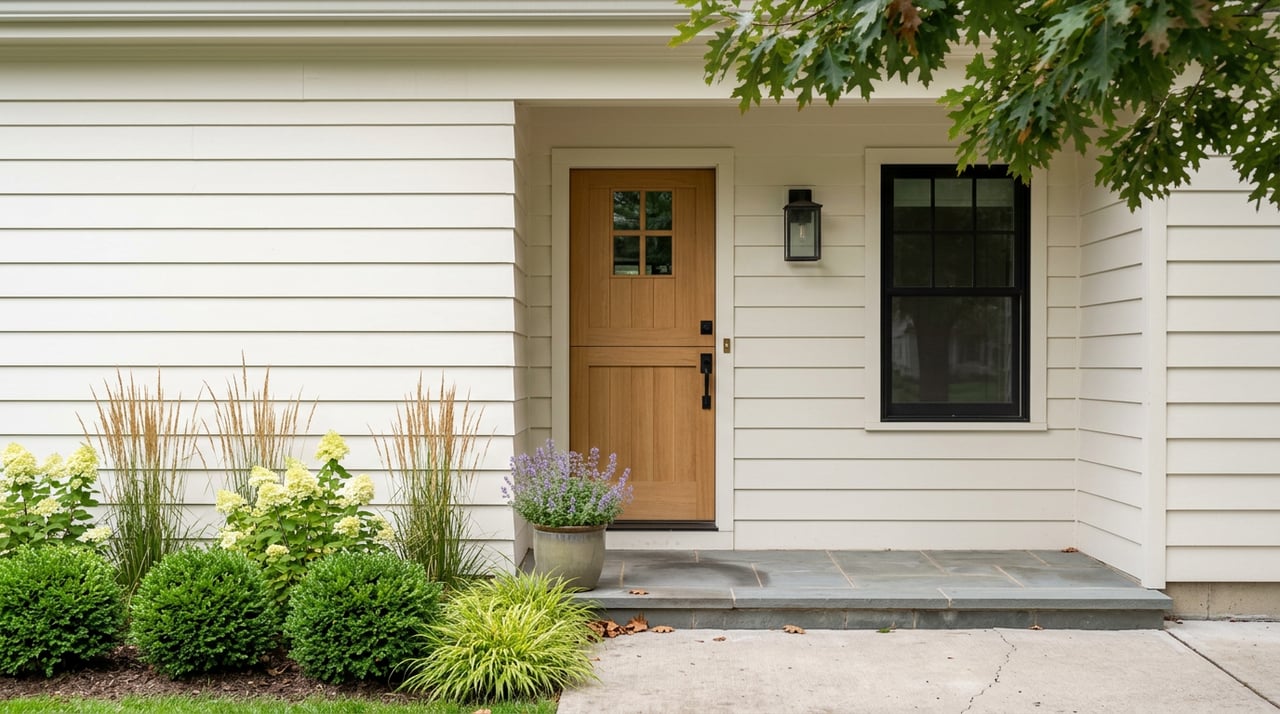
Instead, East Highlands is best described as a place where older homes and newer infill exist side by side. Naperville Preservation notes the presence of original homes and notable Midcentury Modern examples, while current market activity has also reflected ongoing redevelopment.
That mix creates options for different buyers. You may find a home with mid-century roots, a later build, or a newer custom replacement on an established lot.
What buyers should pay attention to
When you tour East Highlands, it helps to evaluate each property on its own terms. Because the neighborhood includes homes from different eras, details like layout, updates, lot use, and long-term maintenance can vary quite a bit from one block to the next.
This is where hyper-local guidance matters. In a neighborhood with visible variation, understanding street-by-street value and how buyers respond to original homes versus renovated or newer properties can make a real difference.
Parks and Outdoor Recreation
East Highlands also benefits from being close to some of Naperville’s best-known outdoor spaces. The Naperville Riverwalk is one of the city’s signature attractions, with 1.75 miles of brick paths, bridges, fountains, artwork, meeting spaces, and recreational features along the West Branch of the DuPage River.
For many residents, that adds a strong recreational identity to life near downtown. Whether you want a scenic walk, a casual weekend outing, or a place to spend time outdoors without going far, the Riverwalk is a meaningful neighborhood advantage.
Another nearby draw is Centennial Beach, the historic quarry at 500 W. Jackson Avenue just west of downtown. The Naperville Park District describes it as a unique outdoor swimming experience, adding another layer to the area’s seasonal lifestyle appeal.
Nearby park options
In addition to downtown recreation, East Highlands is associated with nearby neighborhood parks such as Veterans Park and Burr Oak Park. Park District information shows that Veterans Park includes a segment of the DuPage River Trail, while Burr Oak Park offers playgrounds, picnic shelters, trails, and a sidewalk connection to the same trail.
For buyers who value outdoor access, this helps round out the neighborhood’s everyday livability. You are not relying on just one destination. Instead, you have several ways to enjoy parks, trails, and open-air recreation nearby.
What East Highlands Feels Like
The most accurate way to think about East Highlands is as a close-in Naperville neighborhood with layered character. Its appeal comes from the combination of proximity to downtown, established streets, varied housing stock, and access to recreation and commuting options.
That combination gives the neighborhood a flexible lifestyle profile. Some buyers are drawn to the older homes and mature setting. Others are focused on lots, location, and the potential that comes with newer infill or redevelopment.
Either way, East Highlands is not about one narrow experience. It offers a mix, and for many buyers, that is exactly the point.
Who East Highlands May Suit Best
East Highlands can make sense for several types of buyers. If you want to live near Downtown Naperville, value an established neighborhood feel, and like the idea of seeing both original homes and newer construction in the same area, it is worth exploring.
It can also be a practical option if you want flexibility in how you get around. The neighborhood’s location supports a lifestyle that can include walking to downtown from some blocks, using Metra, or driving to surrounding business and shopping areas.
For buyers thinking long term, East Highlands also stands out because the neighborhood has continued to evolve over time. That ongoing mix of preservation, renovation, and redevelopment is a big part of what defines it today.
Why local guidance matters here
Because East Highlands has so much variation, neighborhood knowledge is especially important when you are buying or selling here. Two homes may be close to each other on a map but offer very different value based on age, condition, lot characteristics, updates, and proximity to downtown or the train.
That is why working with someone who understands Naperville block by block can help you make a more confident decision. If you are considering a move in East Highlands or want to understand how your home fits into today’s market, Dave Swanson can help you evaluate the neighborhood with clear, practical guidance.
FAQs
What is East Highlands in Naperville known for?
- East Highlands is known as one of Naperville’s older close-in neighborhoods, with large lots, winding streets, varied home styles, and convenient access to downtown amenities.
How close is East Highlands to Downtown Naperville?
- Some homes in East Highlands are close enough to support a walk-to-downtown routine, and downtown offers more than 150 shops and spas and more than 50 restaurants.
What types of homes are in East Highlands?
- East Highlands includes a mix of original mid-century homes, later-era houses, and newer infill or redevelopment, rather than one uniform housing type.
Is East Highlands a good neighborhood for commuters?
- East Highlands can work well for commuters because it is near the Naperville Metra station on the BNSF line and also offers access to major roads like I-88 and I-355.
What parks and recreation are near East Highlands?
- Nearby recreation includes the Naperville Riverwalk, Centennial Beach, Veterans Park, Burr Oak Park, and access to segments of the DuPage River Trail.