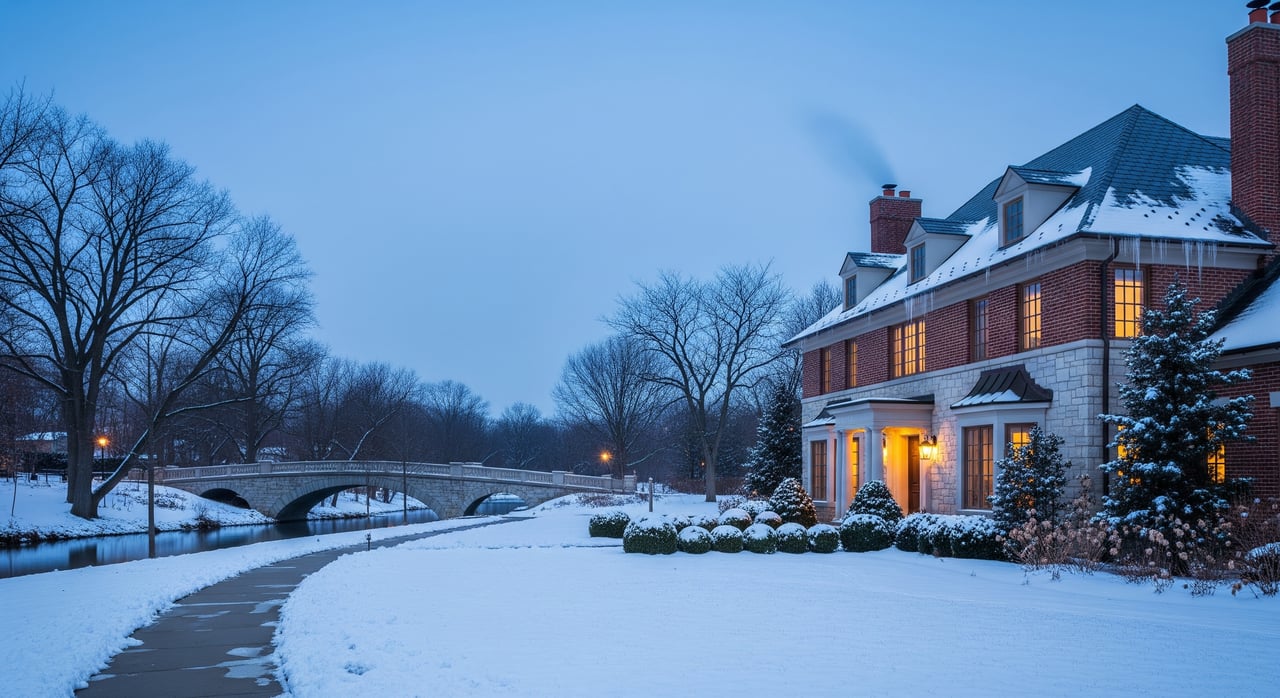
Is winter the right time to make a move in Naperville? If you are weighing a sale or a purchase between December and February, you are not alone. The season brings fewer listings and fewer showings, but the buyers who are out tend to be serious. In this guide, you will learn how the winter market typically behaves in the Naperville Park District area, what that means for your timeline and pricing, and the practical steps that help you succeed. Let’s dive in.
Winter market basics in Naperville
National and regional data show clear seasonality in housing. Winter months usually bring fewer new listings and lower buyer traffic compared with spring and summer. That often leads to longer median days on market, more negotiation on price and terms, and a higher share of motivated buyers and sellers.
In the Naperville Park District area, you can expect the same general pattern. Inventory tightens as many potential sellers wait for spring. Showings drop in December and January, with February starting to recover, depending on weather and mortgage rates. When a listing is priced and presented well, winter buyers often move quickly because they are already ready to act.
What this means for you
- Buyers: You face less competition, but there are fewer options. When a good fit appears, be prepared to move decisively.
- Sellers: You may wait a bit longer for the right offer, but motivated buyers are in the pool. Strong pricing, clean presentation, and flexible terms help you stand out.
Naperville Park District factors
Naperville’s move timing often follows the school calendar. Many local buyers prefer to move outside the school year, which can reduce demand during winter months. At the same time, employment changes and relocations tied to I-88 corridor employers and Metra access keep a baseline of year-round activity.
Weather is part of the equation. Snow, ice, and shorter daylight hours limit curb appeal and showing windows. Sellers who stay on top of snow removal, clear paths, and schedule daytime showings see stronger results. Highlighting energy efficiency, well-maintained mechanicals, and comfortable interiors is persuasive when the temperature drops.
Homes near parks and trails can remain attractive through winter. Even when leaves are down and fields are snow covered, many buyers value proximity to year-round park amenities and indoor facilities. In your marketing, point to walkability, winter recreation, and four-season access.
Showing traffic and timing
Fewer, more focused showings
Expect noticeably fewer showings in December and early January. Traffic tends to cluster midday and on weekends with decent weather. The buyers who do tour are often pre-approved and purpose-driven, which can lead to efficient negotiations when your presentation is strong.
Days on market and offers
Median days on market typically stretch in winter. Well-priced homes in good condition can still go under contract without a large delay because motivated buyers are ready to write. Overpriced or poorly presented listings usually take longer and see more price reductions.
Negotiation and concessions
With fewer buyers in circulation, negotiation broadens beyond price. Buyers commonly request credits for closing costs or inspection items, and they may ask for flexible possession to accommodate travel or lease terms. Sellers can preserve value by pricing in line with recent comparable sales, using pre-listing inspections to limit surprises, and setting clear timelines when multiple offers appear.
Seller game plan: December through February
Pricing and timing
- Set a realistic list price based on recent winter sales and active competition. Avoid spring pricing assumptions.
- Build a plan for concessions. Small credits or flexible dates can save your net price.
- Expect a longer window than spring, then shorten it with strong presentation and strategic launch timing.
Presentation that wins in winter
- Curb and entry: Keep driveways, walks, and steps clear of snow and ice. Add bright exterior lighting for late-afternoon showings.
- Warm welcome: Maintain a comfortable indoor temperature. Use subtle seasonal decor and neutral scents.
- Winter strengths: Highlight new or serviced HVAC, updated windows, insulation, smart thermostats, and recent energy improvements.
- Proactive transparency: Consider a pre-listing inspection. Share mechanical service records and utility averages to build confidence.
Marketing and access
- Photography and media: Invest in professional photos that handle low-light conditions. Add a detailed virtual tour to reach buyers who limit travel during storms.
- Showing flexibility: Approve showings quickly, prioritize daytime slots, and be ready for short-notice tours when weather breaks.
- Broaden the audience: Market to relocating professionals, downsizers, and investors who work year-round.
Negotiation and terms
- Use credible comparables to support your price in negotiations.
- Offer reasonable repair credits when issues surface rather than reopening every detail.
- If activity is strong, set clear deadlines for highest-and-best to keep momentum and avoid drawn-out back-and-forth.
Buyer game plan: December through February
Financing and readiness
- Get fully pre-approved, not just pre-qualified. This signals strength when a desirable home appears.
- Clarify your budget with today’s rates and set a maximum monthly payment that aligns with your comfort level.
- Talk through appraisal and inspection strategies in advance so you can act decisively.
Touring and due diligence
- Tour in daylight when possible. Check grading, downspouts, and rooflines for signs of ice or drainage issues.
- Ask for utility history and recent furnace or boiler service records. Winter is when heating performance matters most.
- During inspection, pay close attention to attic insulation, windows, doors, and any evidence of ice dams or frozen lines.
Finding opportunities
- Monitor coming-soon and early alerts. Winter brings fewer listings, so timing matters.
- Stay open to homes needing small updates. With less competition, you may negotiate favorable terms.
- If you are relocating, coordinate virtual tours first, then target in-person visits during clear-weather windows.
Holiday and rate timing
Expect a lull around major holidays in late December. Many agents and buyers pause activity, then return in early January with fresh listings and renewed searches. February often sees a gradual pickup, shaped by weather and the mortgage-rate environment. If rates dip, urgency can increase quickly. If they hold steady or rise, negotiation may open up on price or credits.
When waiting for spring makes sense
Winter is not a one-size-fits-all decision. If you need top-tier curb appeal, extensive landscaping, or timing tied to the school calendar, a spring launch can align better with buyer behavior. If you value speed, less competition, and a focused pool of motivated buyers, winter can be a smart window. Your best choice balances timing, carrying costs, and your next-housing plan.
Work with a local advocate
In winter, small details move the needle. Local pricing nuance by street, timing around storms and holidays, and quick vendor coordination all matter. With deep knowledge of Naperville neighborhoods and a network of trusted stagers, inspectors, contractors, attorneys, and lenders, you can streamline the process and negotiate with confidence.
If you want a tailored plan for your situation, reach out to Dave Swanson for a quick strategy session. Whether you are selling, buying, or relocating for work, you will get clear pricing guidance, smart prep checklists, and a step-by-step plan that fits your timeline.
FAQs
Is winter a good time to list in Naperville?
- Winter usually brings fewer showings and more negotiation, but motivated buyers are active. A well-priced, well-presented home can still sell efficiently.
Will buyers be more serious in the winter months?
- Yes. Winter buyers often have job, tax, or timeline reasons to move, which can improve offer quality even if total traffic is lower.
How long will my home take to sell in winter?
- Expect days on market to be longer than spring on average. Strong pricing and presentation help shorten the timeline.
Should I wait until spring to get a higher price?
- It depends on your goals and carrying costs. If timing and convenience matter more, a solid winter offer can be better than waiting.
What should sellers do about snow and ice during showings?
- Keep driveways and walkways clear, add de-icer at entries, and ensure handrails are secure. Provide service records to ease buyer concerns.
What should buyers look for during a winter home tour?
- Focus on heating performance, drafts around windows and doors, attic insulation, drainage, roof condition, and any signs of ice-related issues.
Do homes near parks perform differently in winter?
- Curb appeal can feel muted when trees are bare, but proximity to year-round park amenities remains a plus. Highlight walkability and winter-friendly recreation.